







Details
Description of the measuring instrument:
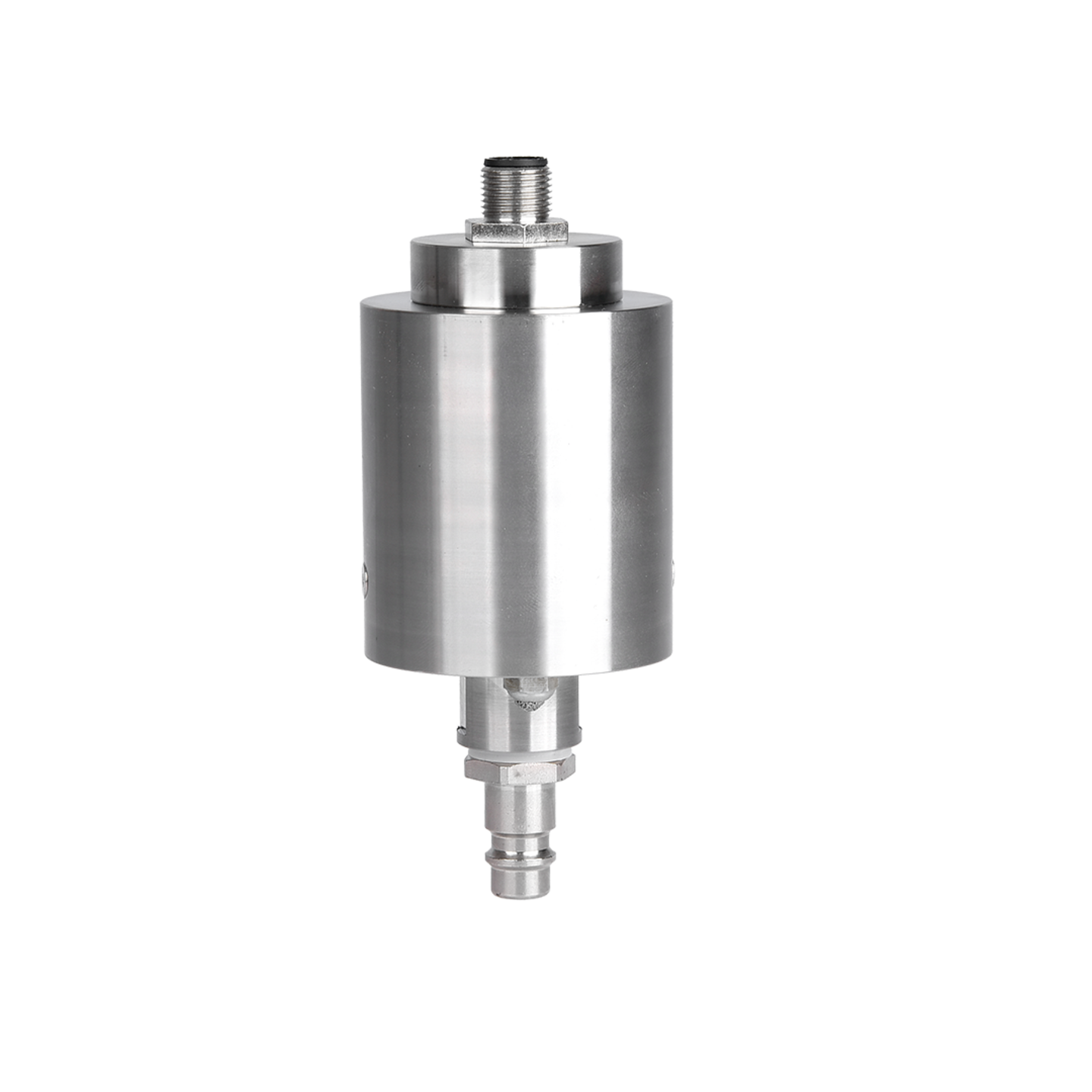
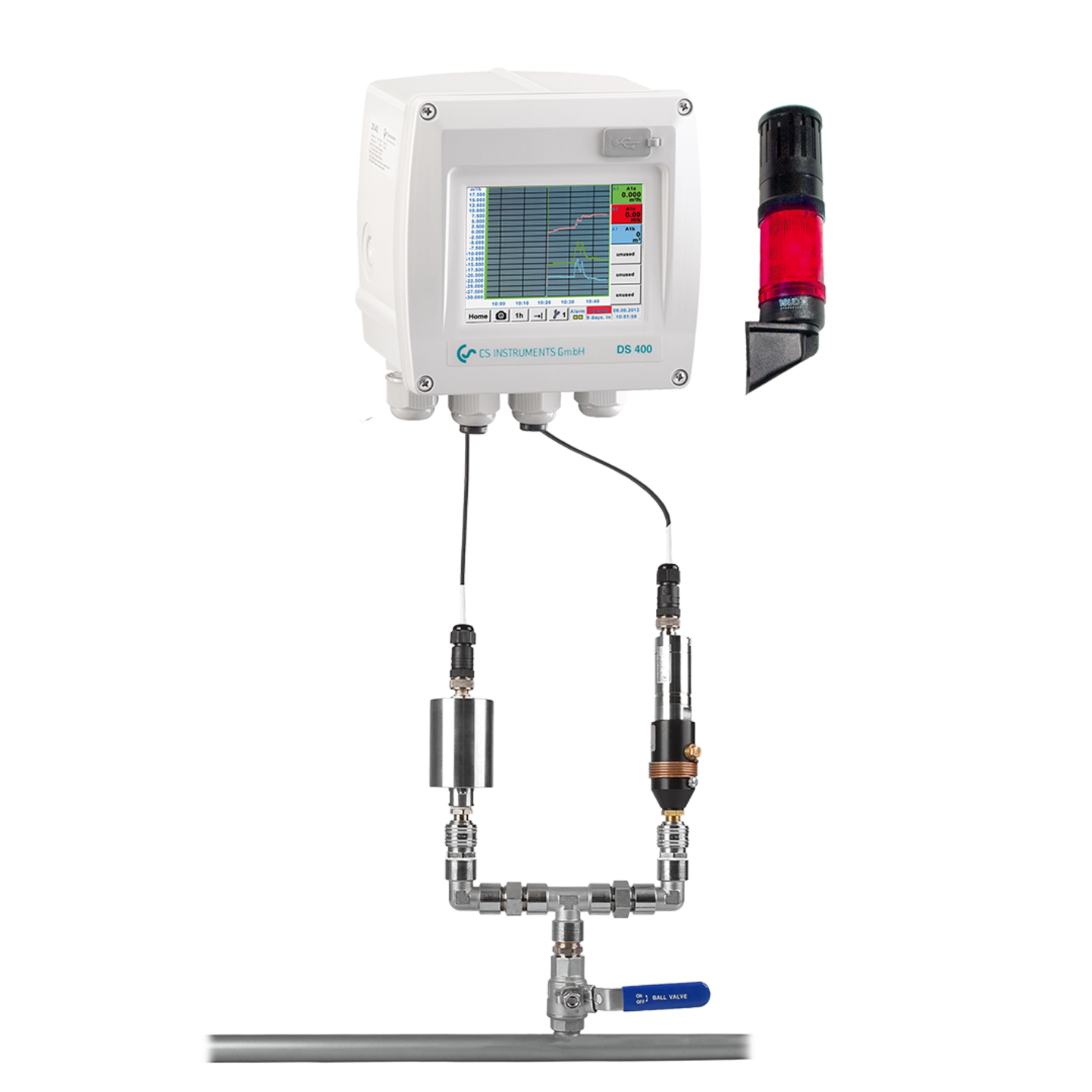
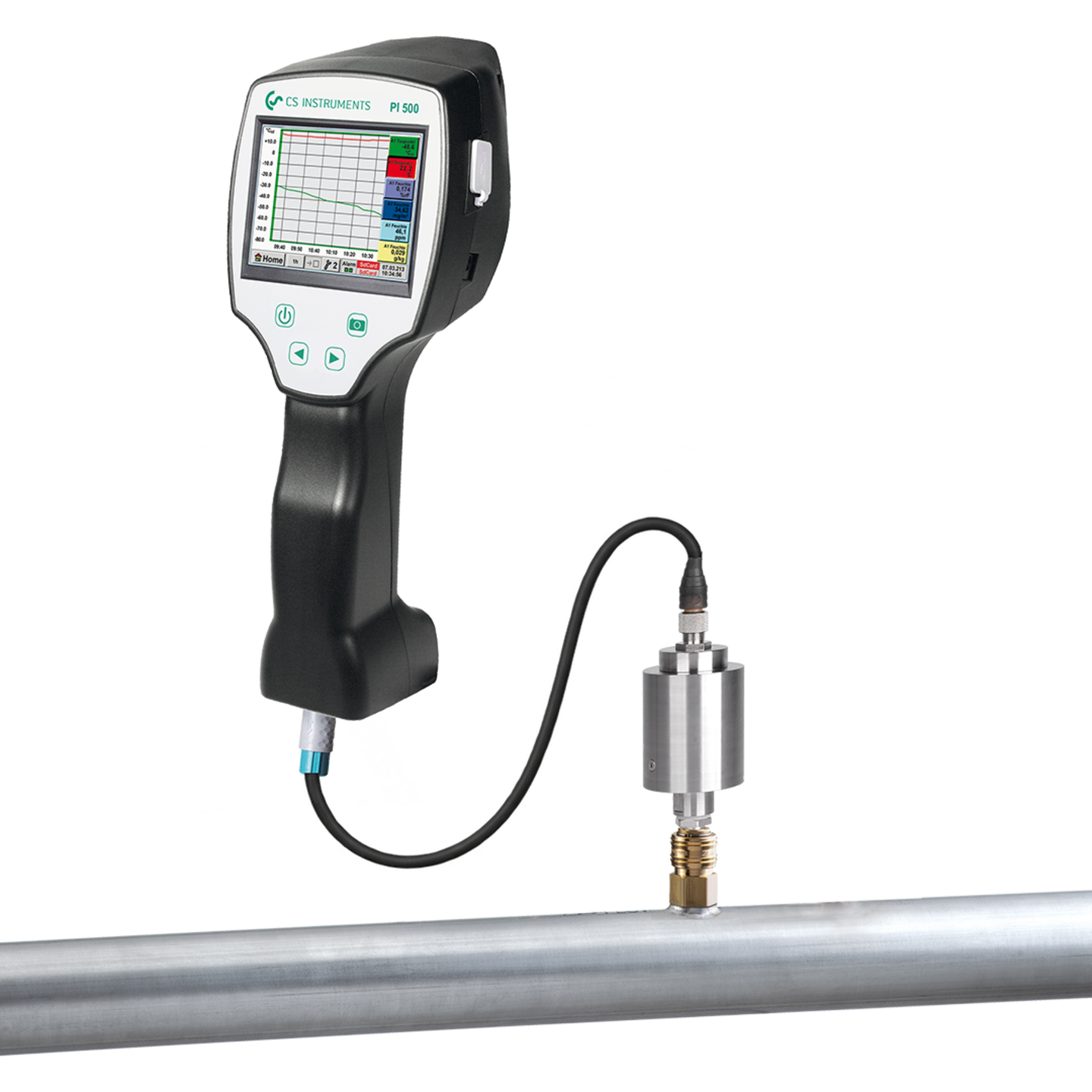
The OIL CHECK 511 Point-of-Use Monitor is an at-line sensor. It continuously samples a small portion of the flow and measures the residual oil content present in the vapour-phase.
To reliably monitor critical processes and plant components, measurement after media treatment is often insufficient. Situations may also arise within the distribution network whereby oil components are introduced into the system. The OIL CHECK 511 helps to detect such situations through changes in the measured concentrations of gaseous oil components. In this way, it helps to protect critical processes.
- Indicative measurement in accordance with ISO 8573-5:2025: Indicative measurement in accordance with ISO 8573-5 provides transparency exactly where it matters most in operation: directly at the point of use or centrally within the compressed air system, without having to wait for laboratory results. It continuously monitors residual oil levels and immediately highlights changes in the process, ensuring greater safety and a faster response. It focuses on gaseous components, particularly oil vapours, thereby complementing quantitative laboratory analysis with a practical online monitoring system. This provides operators with a powerful tool for consistent compressed air quality, reliable processes and operational safety.
- 7 calibration points, 1 of which is within Class 1: The most important factor for monitoring the purity grade is the correct calibration of the measuring system. The Class 1 limit value specified in ISO 8573 is 0.01 mg/m³. This corresponds to a volume concentration of 2.5 ppb. That means 2.5 particles per billion. The OIL CHECK 511 is calibrated with one adjustment point in Class 1, precisely where it is crucial for the transition to Class 2. Calibration at six further points ensures that even high residual oil readings can be measured reliably.
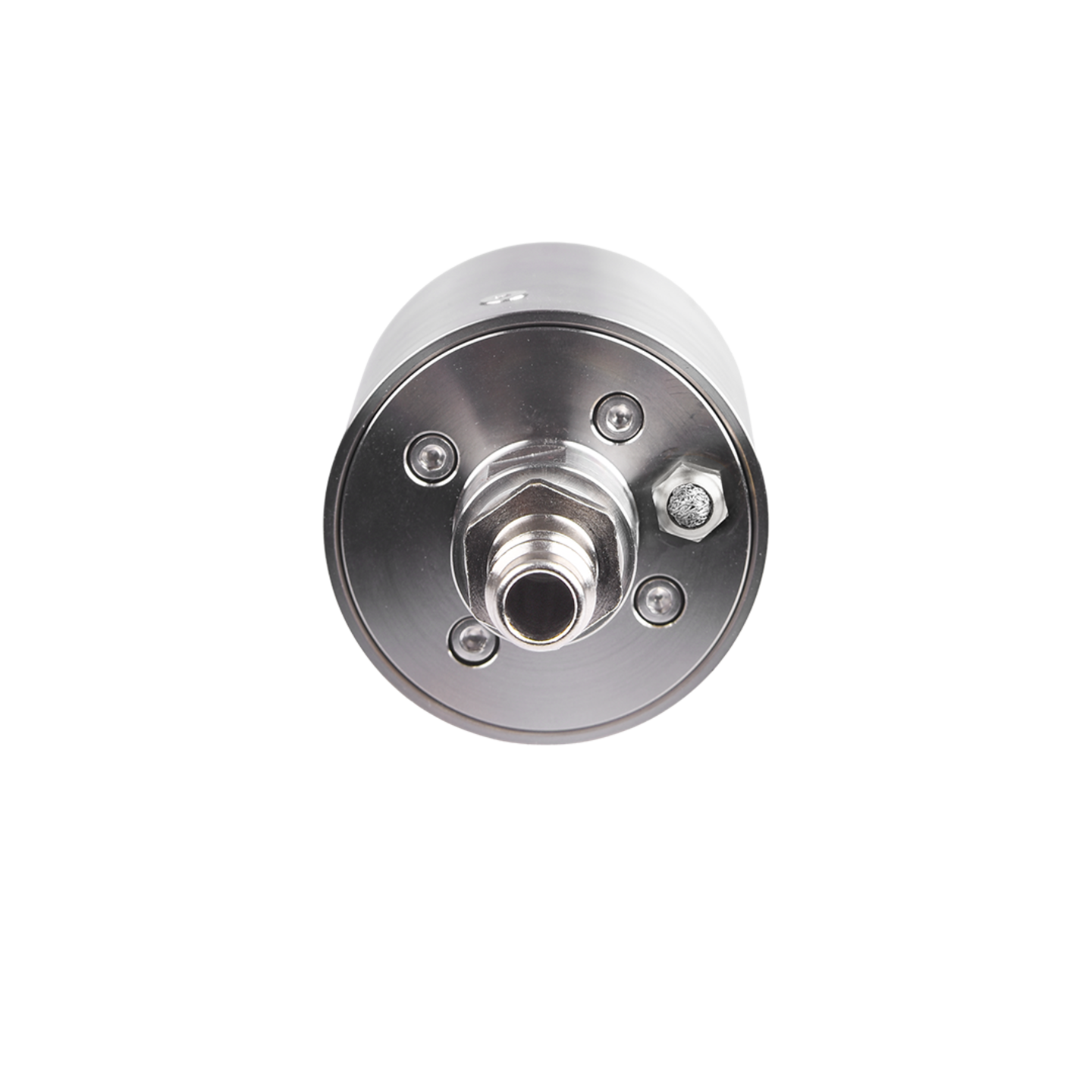
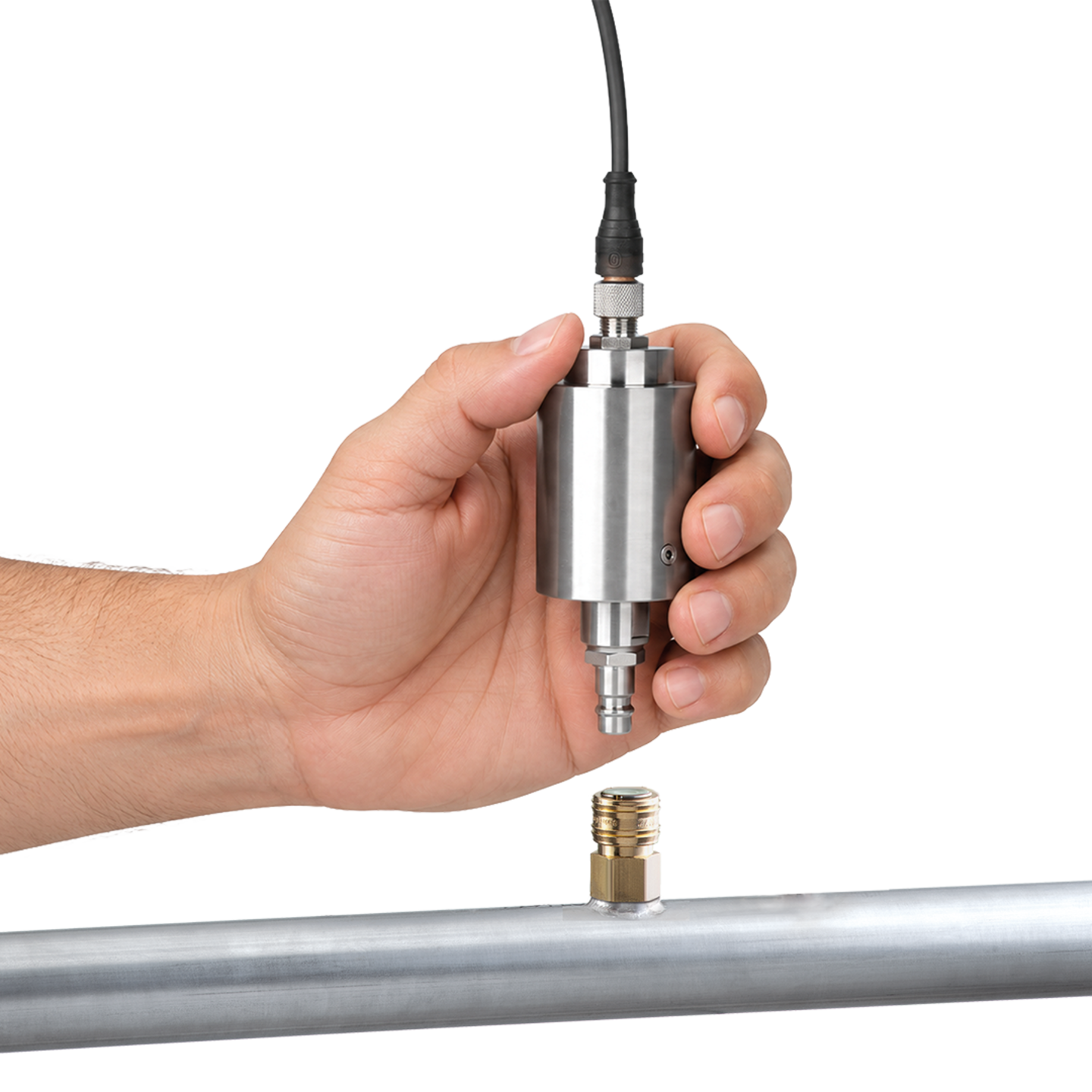
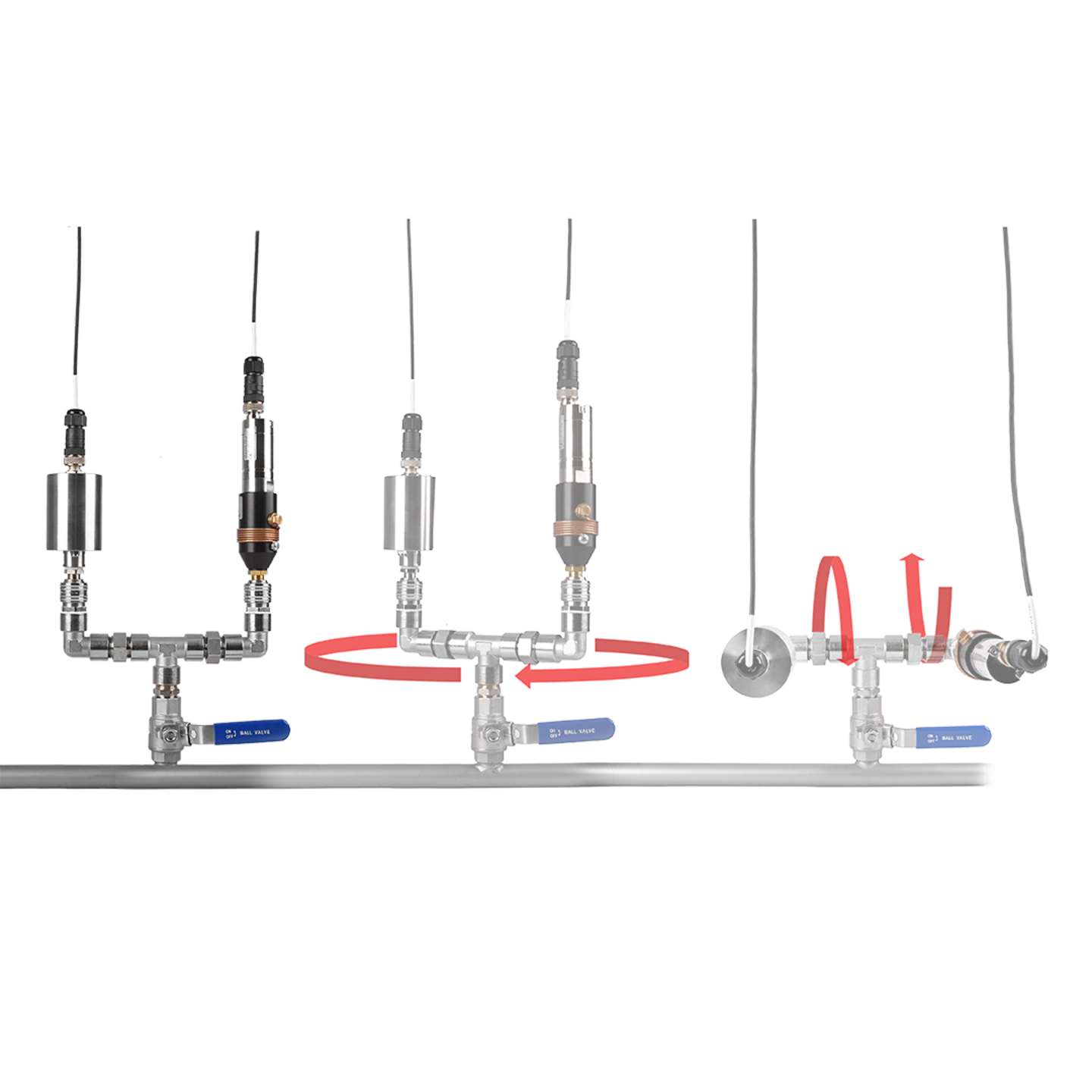
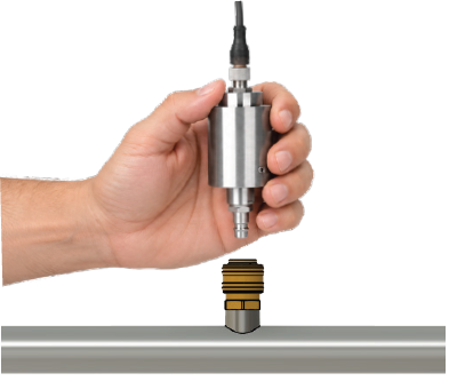
- Very simple installation and maintenance, even under pressure: the OIL CHECK 511 is designed for quick replacement in the field. Thanks to its compact design, low weight, quick coupling and M12 connector, the sensor can be easily fitted and removed. This means it can be quickly replaced with a spare sensor for servicing or recalibration. Measurement thus remains available with minimal effort.
- Low cross-sensitivity to humidity and ethanol: Cross-sensitivity to gases that are not target gases for oil vapour measurement can increase the measured value even when there is no relevant contamination present in the measurement gas. The OIL CHECK 511 has been specifically developed to minimise cross-sensitivity to the two commonly occurring interfering gases, humidity and ethanol. This improves the reliability of the measured values.
Frequently Asked Questions (FAQ) on residual oil measurement using the OIL CHECK 511
From a customer’s plant: In a semiconductor manufacturing facility, purity grade 1 in accordance with ISO 8573-1 had been specified for the compressed air supply. It was only when the quality of the manufactured products no longer met the specified process parameters that troubleshooting began. The cause lay not with the central compressed air generation system, but with an air preparation unit at the point of use: an oiler had been filled there, even though oiled compressed air was not approved at that location. As a result, the required compressed air quality was no longer being maintained at the point of use.
This is precisely where continuous point-of-use measurement of compressed air quality proves its worth: it reveals deviations where they occur, documents the condition during ongoing operation and helps to pinpoint the cause more quickly, before rejects, production downtime and further consequential costs increase. For sensitive processes, such as those in semiconductor manufacturing, continuous residual oil measurement at the point of use is therefore a crucial component in reliably ensuring that specified process parameters are maintained.
From a customer’s site: During the installation of a new compressed air supply system, the OIL CHECK 500 was used to test the transfer of media from the temporary supply station into the compressed air network. Even before connection to the main network, the device indicated an extremely high measured value. The cause lay with the temporary station: pipe joints had been sealed using an adhesive not approved for purity grade 1. Even flushing with clean air was not sufficient to remove the contamination.
This is precisely where continuous point-of-use measurement at media transfer points proves its worth: it reveals deviations in compressed air quality exactly where the quality must be right – at the point of delivery. This protects the downstream compressed air network from the ingress of residual oil or other contaminants before production plant and process parameters are compromised.
This is equally true in industrial estates. There, a point-of-use monitor is used to check and document the quality of the media in order to safeguard in-house production.
The OIL CHECK 511 has been developed as an at-line monitor.
- Design: Thanks to its compact design and low weight, it can be integrated very easily into existing systems. It can also be easily incorporated into the design of new machines.
- Data transmission: With a Modbus RTU connection and a 4 … 20 mA connection, the OIL CHECK 511 features the essential interfaces for field devices.