







Details
Description of the measuring instrument:
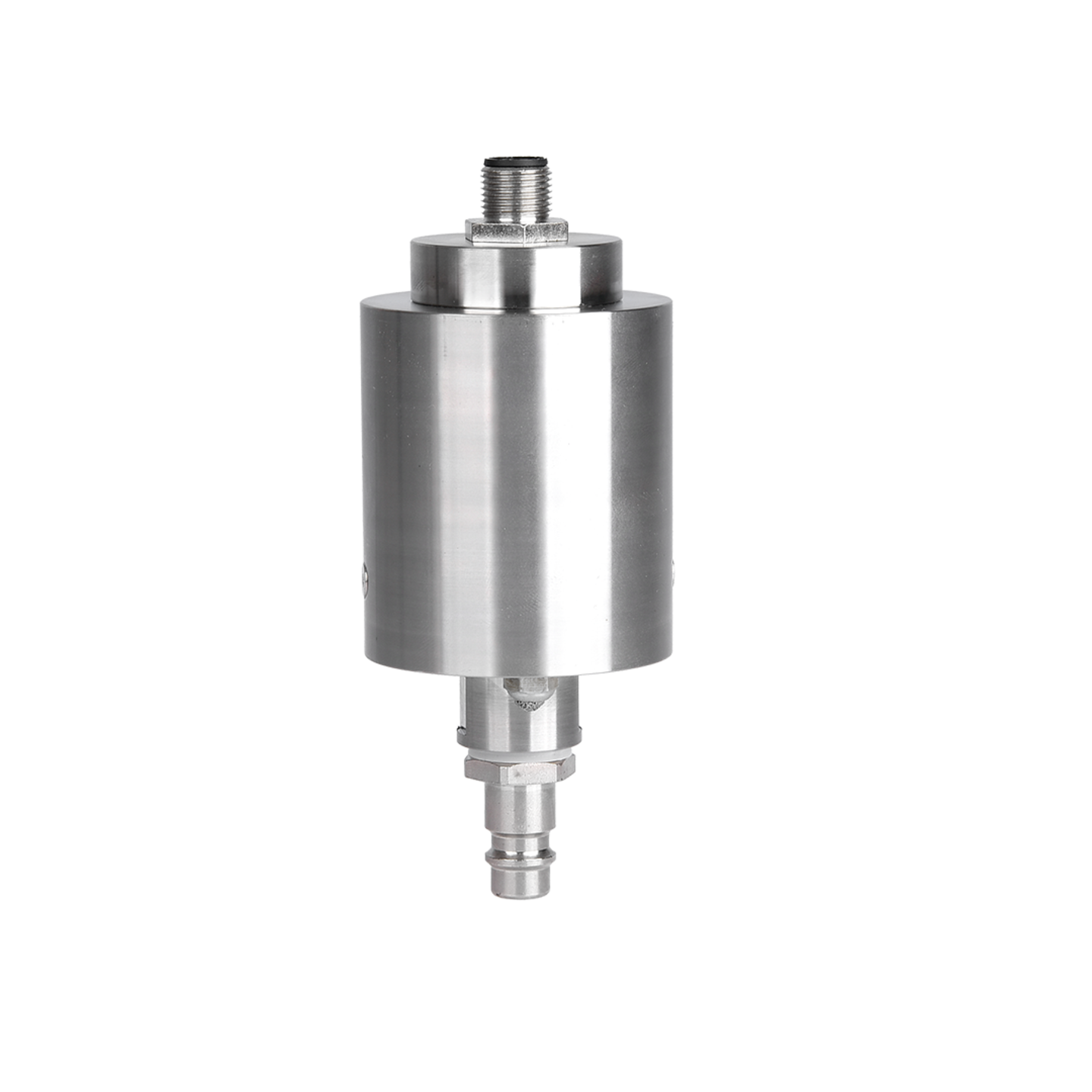
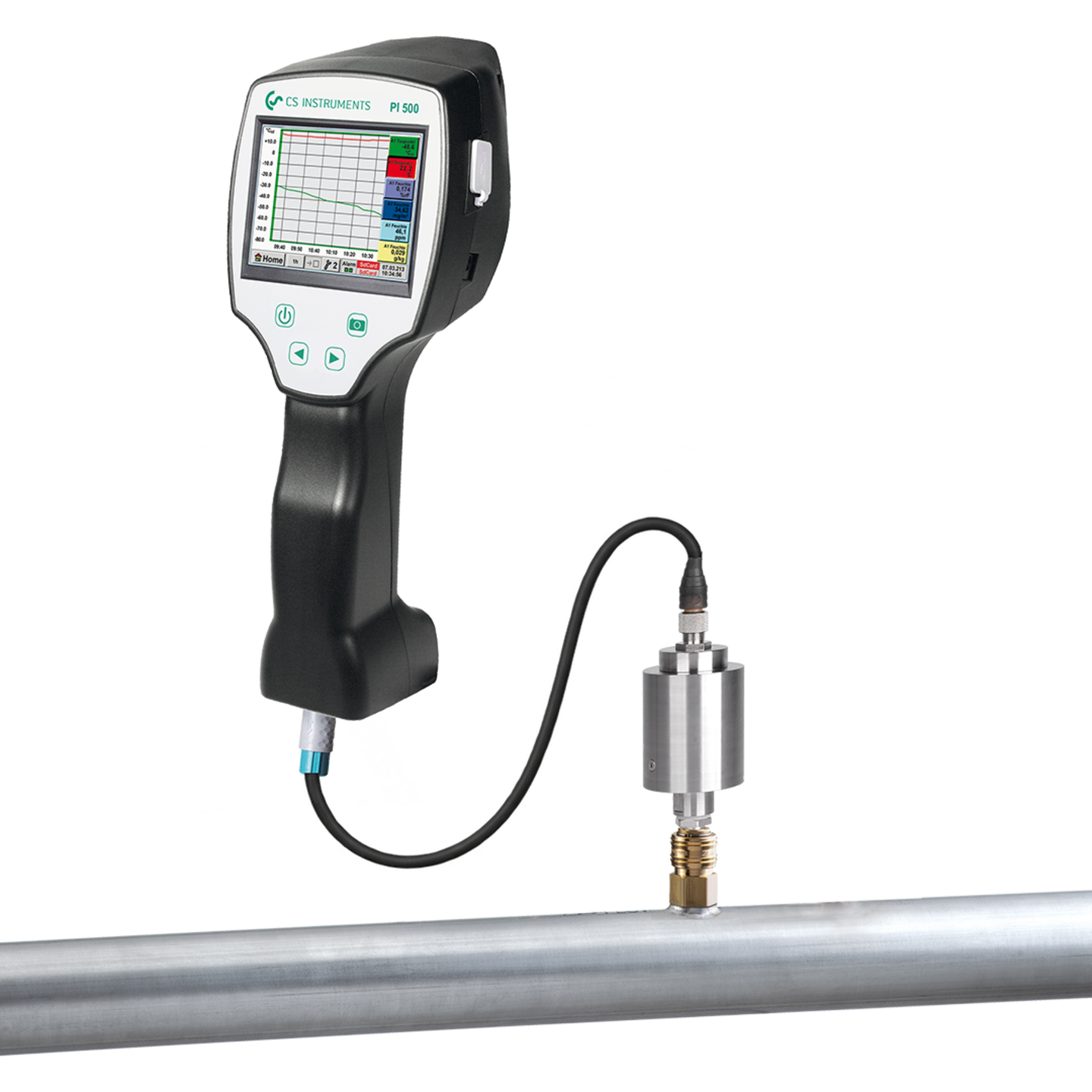
The OIL CHECK 512 Point-of-Use Monitor is an at-line sensor. It continuously draws a small sample stream and measures the residual oil content present in the vapour-phase.
To reliably monitor critical processes and plant components, measurement after media treatment is often insufficient. Situations can also arise within the distribution network that cause oil components to enter the system. The OIL CHECK 512 helps detect such situations by identifying changes in the concentrations of gaseous oil components. In this way, it helps protect critical processes.
- Indicative measurement according to ISO 8573-5:2025: The indicative measurement according to ISO 8573-5 provides transparency exactly where it matters most in operation: directly at the point of use or centrally in the compressed air system—and without having to wait for laboratory results. It continuously monitors residual oil levels and immediately highlights changes in the process, ensuring greater safety and faster response times. Its focus is on gaseous components—particularly oil vapours—thereby complementing quantitative laboratory analysis with practical online monitoring. This provides operators with a powerful tool for consistent compressed air quality, reliable processes, and operational safety.
- 4 calibration points, 1 of which is within Class 2: The most important factor for monitoring the purity grade is the correct calibration of the measurement system. The limit value specified in ISO 8573 for Class 2 is 0.1 mg/m³. This corresponds to a volume concentration of 25 ppb—that is, 25 particles per billion. The OIL CHECK 512 is calibrated with one adjustment point in Class 2. Another calibration point is located precisely at the transition to Class 3—exactly where it is critical for the transition to Class 2. Calibration at two additional points ensures that even high residual oil levels can be reliably measured.
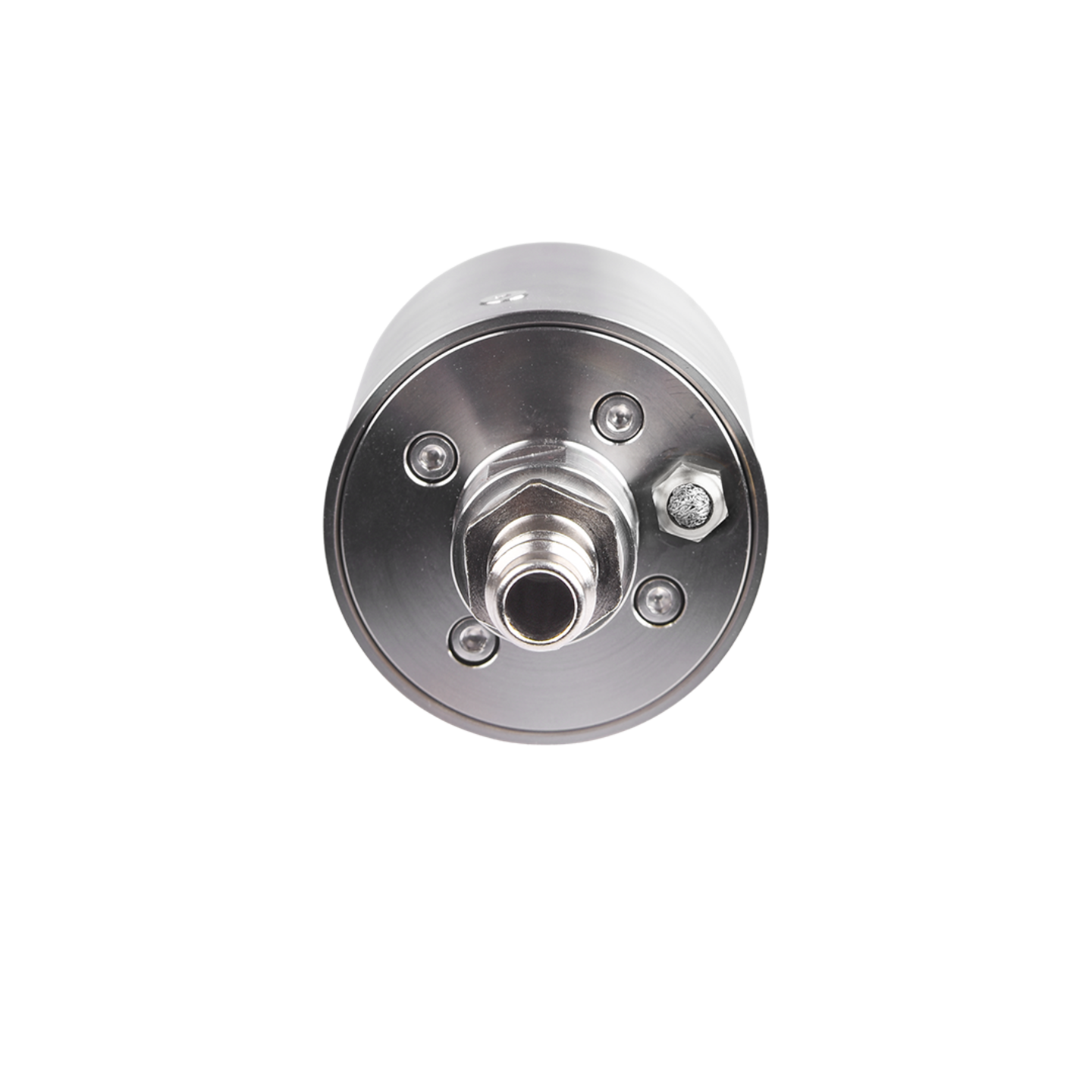
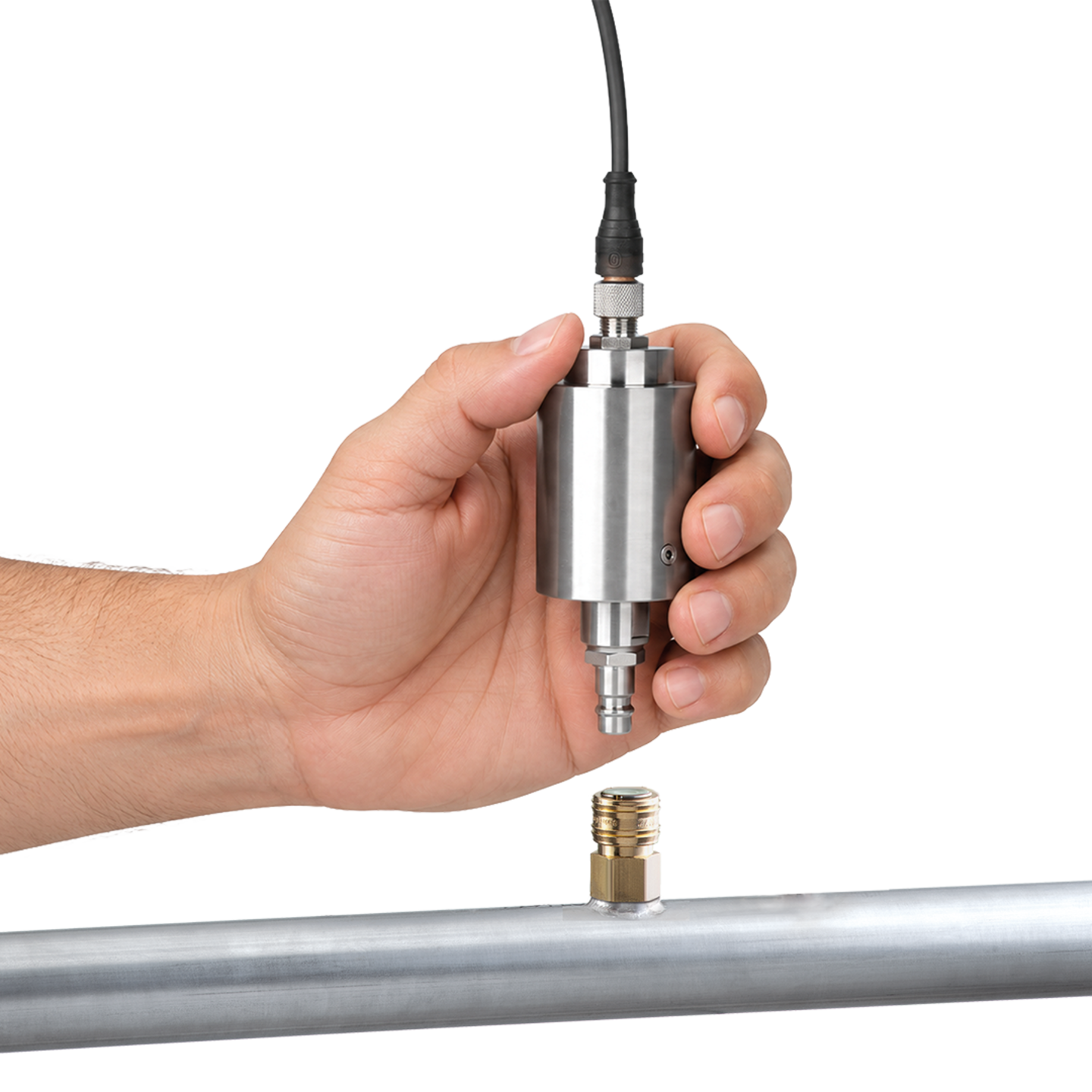
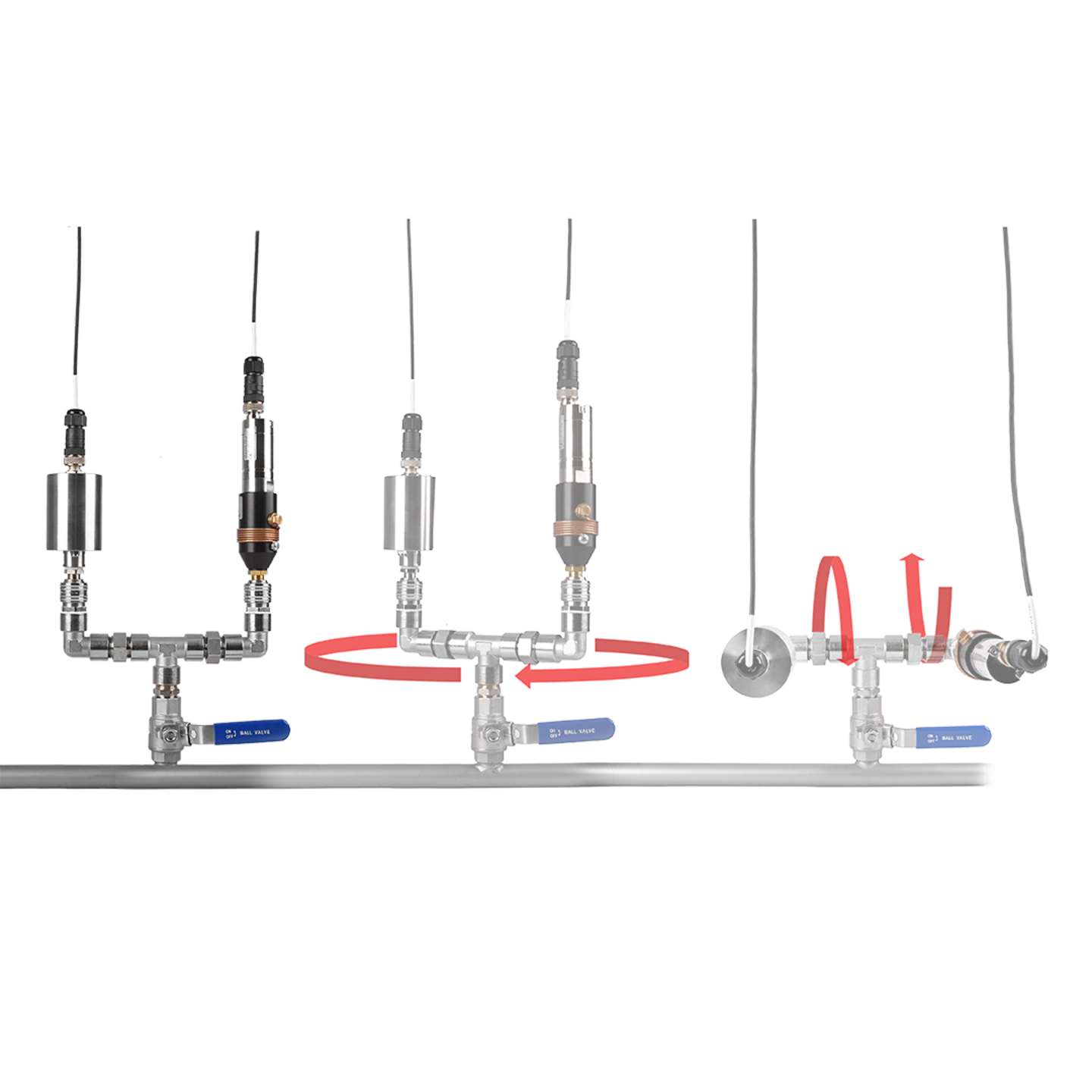
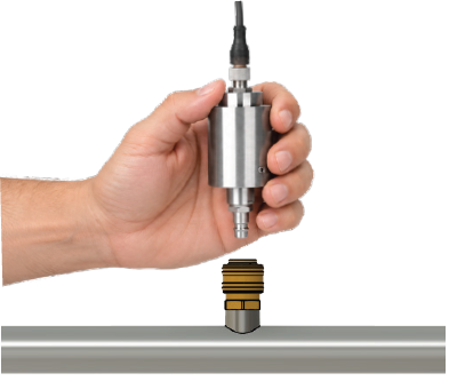
- Very easy installation and maintenance, even under pressure: The OIL CHECK 512 is designed for quick replacement in the field. Thanks to its compact design, low weight, quick coupling, and M12 connector, the sensor can be easily installed and removed. This allows it to be quickly replaced with a spare sensor for service or recalibration, ensuring that measurement remains available with minimal effort.
- Low cross-sensitivity to humidity and ethanol: Cross-sensitivity to gases that are not target gases for oil vapour measurement can increase the measured value even when no relevant contamination is present in the measurement gas. The OIL CHECK 512 is specifically designed to have low cross-sensitivity to the two commonly present interfering gases, humidity and ethanol. This improves the reliability of the measured values.
Frequently Asked Questions (FAQ) About Residual Oil Measurement with the OIL CHECK 512
VDMA 15390-1:2014-12 specifies Class 2 applications in many industrial sectors as a typical cleanliness requirement, including
- petrochemicals
- tobacco processing
- textile, paper, and printing industries
- chemical industry
- rubber and plastics industry
- Surface Finishing
- Machinery and plant engineering, as well as electrical engineering and electronics.
In such applications in particular, a one-time assessment is often insufficient. Continuous monitoring detects changes in the residual oil content early on and documents whether the central treatment system consistently maintains the required compressed air quality.
VDMA 15390-1:2014-12 emphasizes that the purity of compressed air at the end user depends not only on central treatment but also on the compressed air network and any decentralized treatment. This is precisely why measurement at the point of use makes technical sense: It shows the compressed air quality exactly where it is actually relevant for the process or the machine. This is particularly important when a machine manufacturer specifies a certain compressed air quality and the operator must, in case of doubt, provide reliable documentation to rule out compressed air as a source of error.
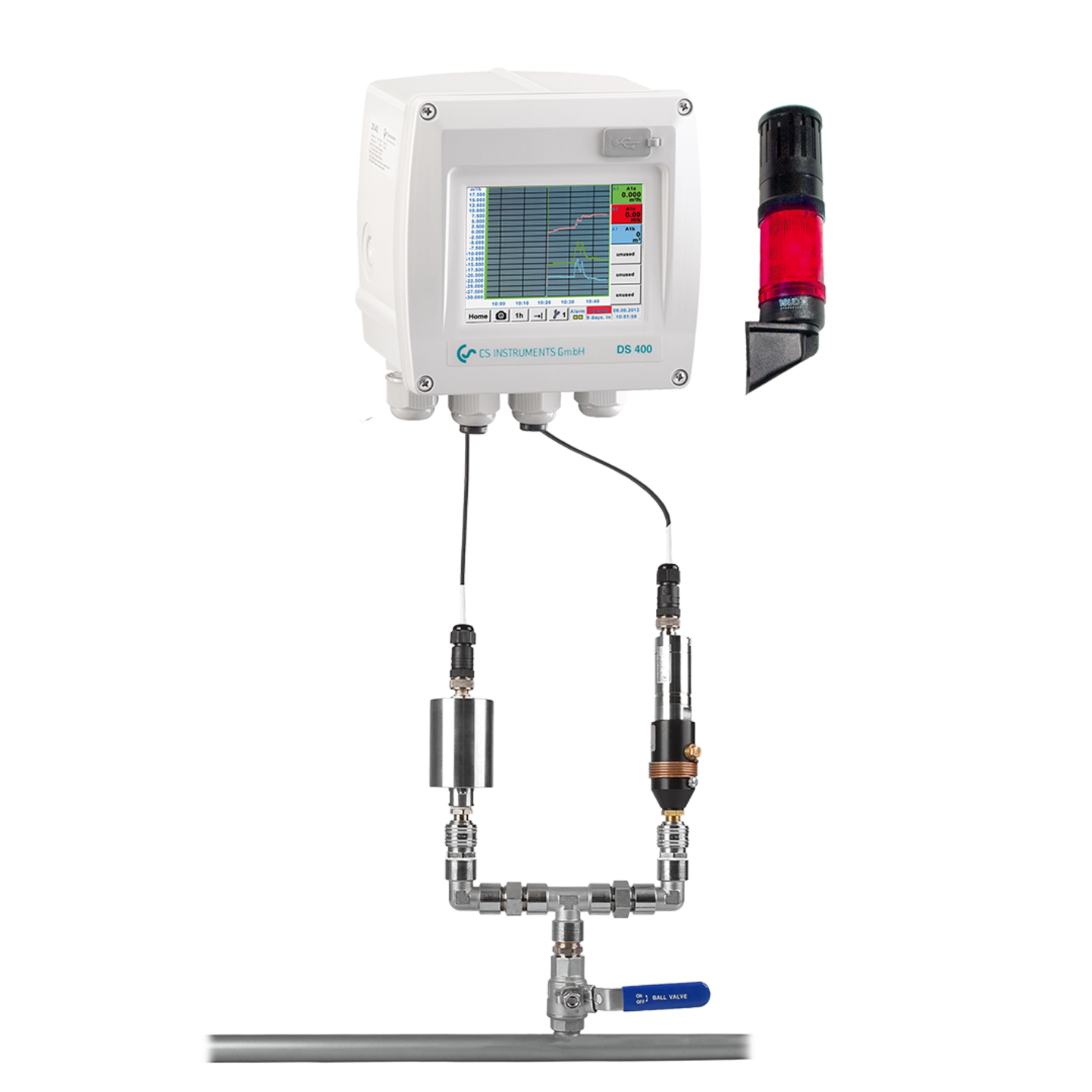
The OIL CHECK 512 is designed as an at-line monitor.
- Design: Thanks to its compact design and low weight, it can be easily integrated into existing systems. It can also be easily incorporated into the design of new machines.
- Data Transmission: With a Modbus RTU connection and a 4 … 20 mA connection, the OIL CHECK 512 features the essential interfaces for field devices.
As the vapour-phase residual oil content increases, so does the risk of oil aerosols. These can contaminate the OIL CHECK 512. Therefore, expanding the measuring range is not advisable.