
Compressed air quality - mobile "All in one solution"
Residual oil - particles - residual moisture. Compact trolley with wheels.


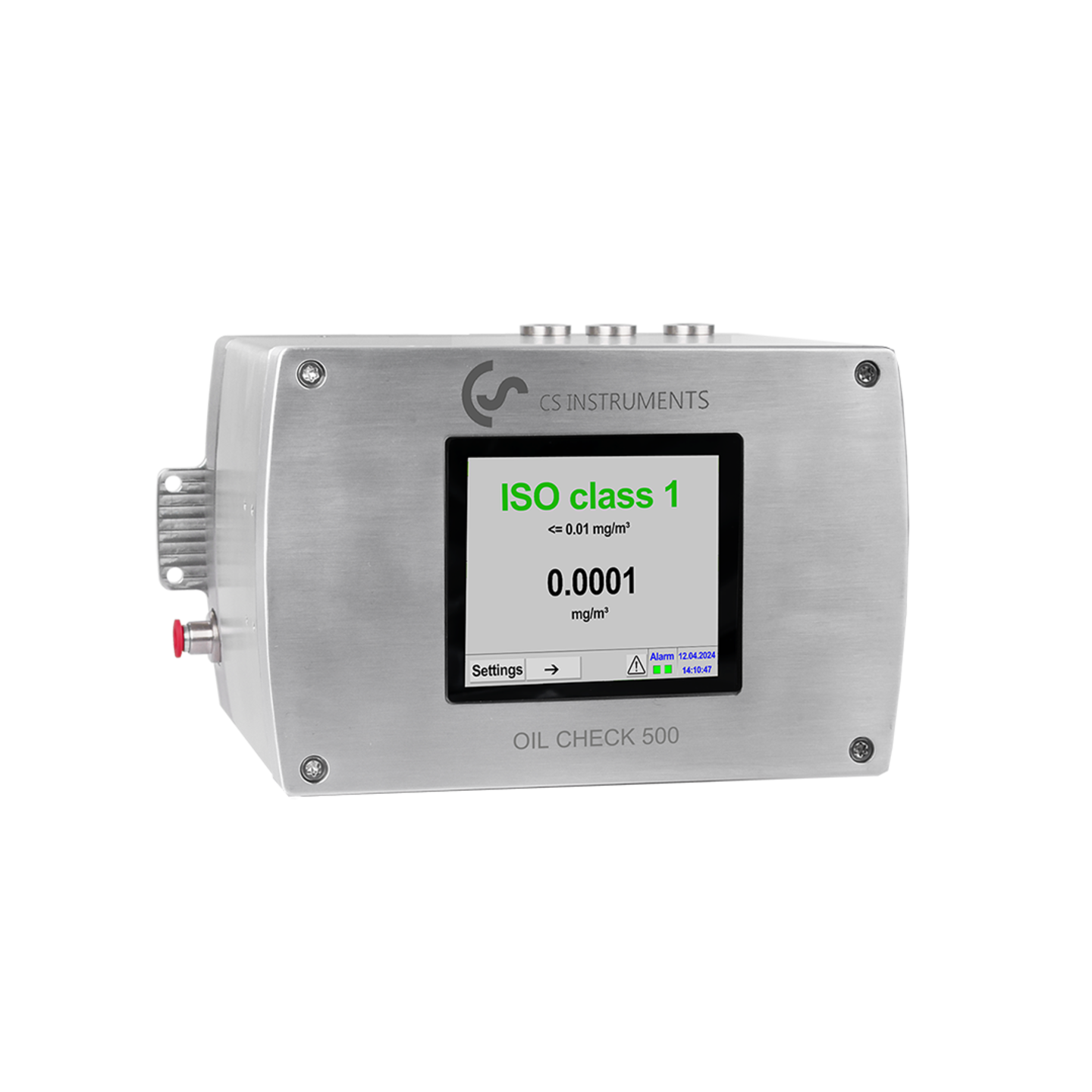
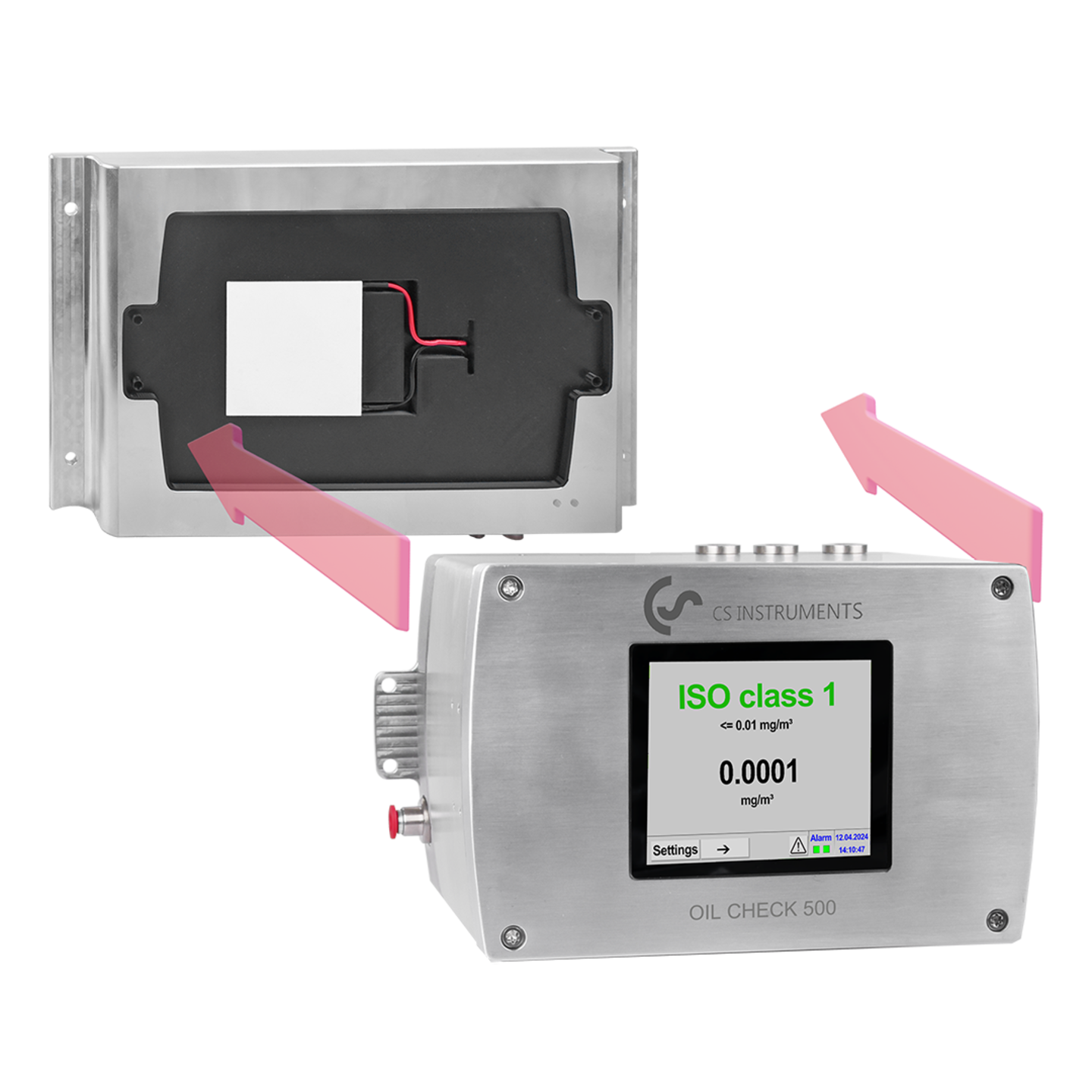
The OIL CHECK 500 continuously monitors the gaseous oil content in compressed air and other gases. The device reveals trends between regular laboratory tests and enables the investigation of deviations.
This is always important when compressed air or other media can affect the product, the process, or sensitive surfaces, such as in the following areas:
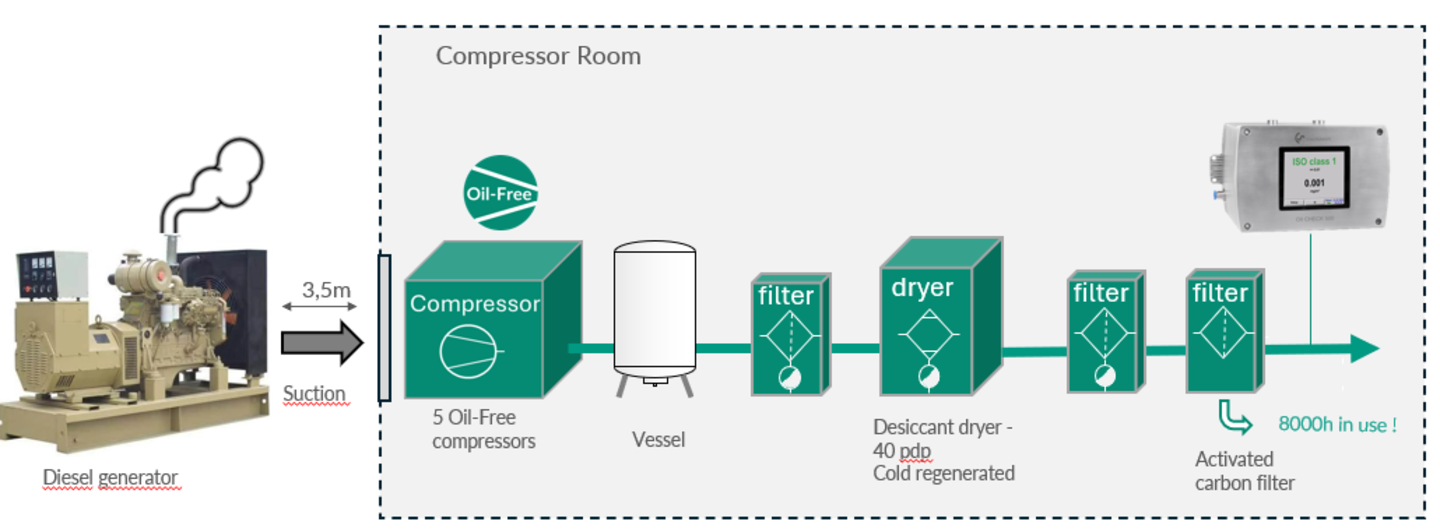
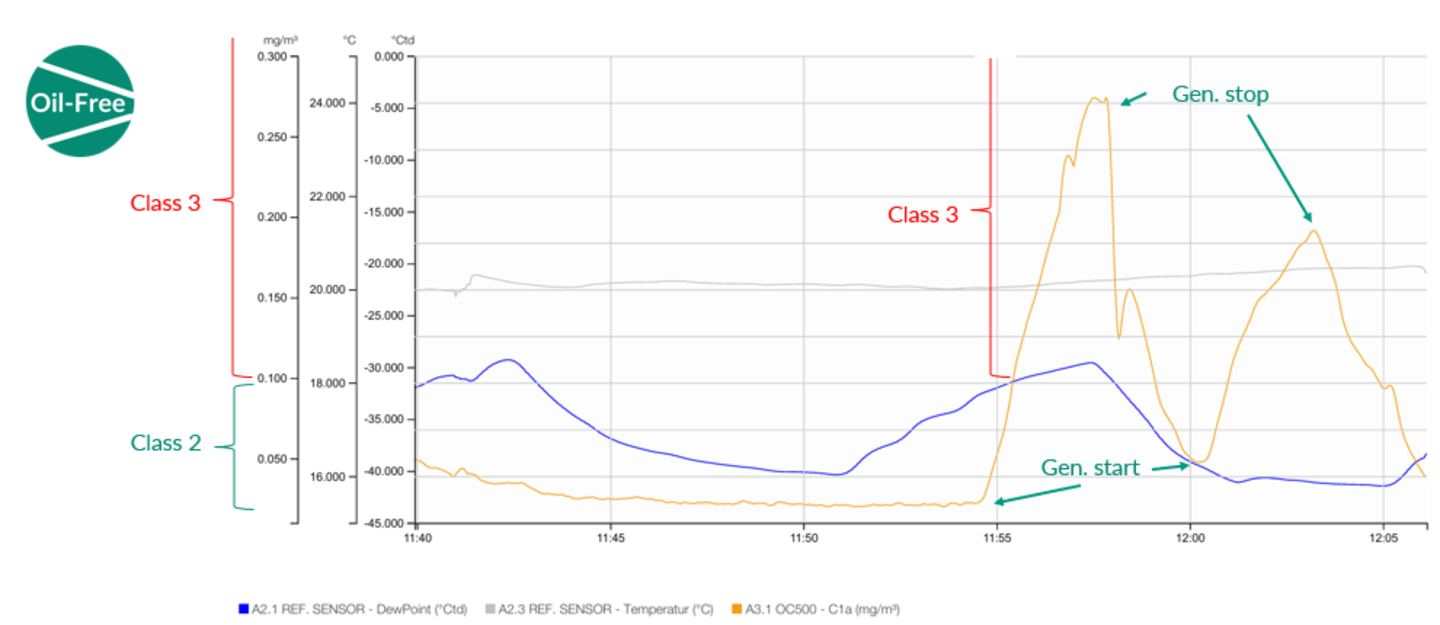
Oil-free compressors prevent additional oil from entering the system through the compression stage, but they do not remove contaminants from the intake air. Even after compression, contaminants can enter the compressed air system due to factors such as corrosion, oil carryover, wear, or maintenance work. Therefore, treatment and monitoring are still necessary even with oil-free compressors to achieve the required quality and detect changes. Compressed air quality depends on the entire system, not on a single component.
Indicative measurement in accordance with ISO 8573-5 provides transparency exactly where it matters most in operation: directly within the compressed air system and without having to wait for laboratory results. It continuously monitors residual oil levels and immediately highlights changes in the process, ensuring greater safety and faster response times. It focuses on gaseous components, particularly oil vapors, thereby supplementing quantitative laboratory analysis with a practical online monitoring system. This provides operators with a powerful tool for consistent compressed air quality, reliable processes, and operational safety.
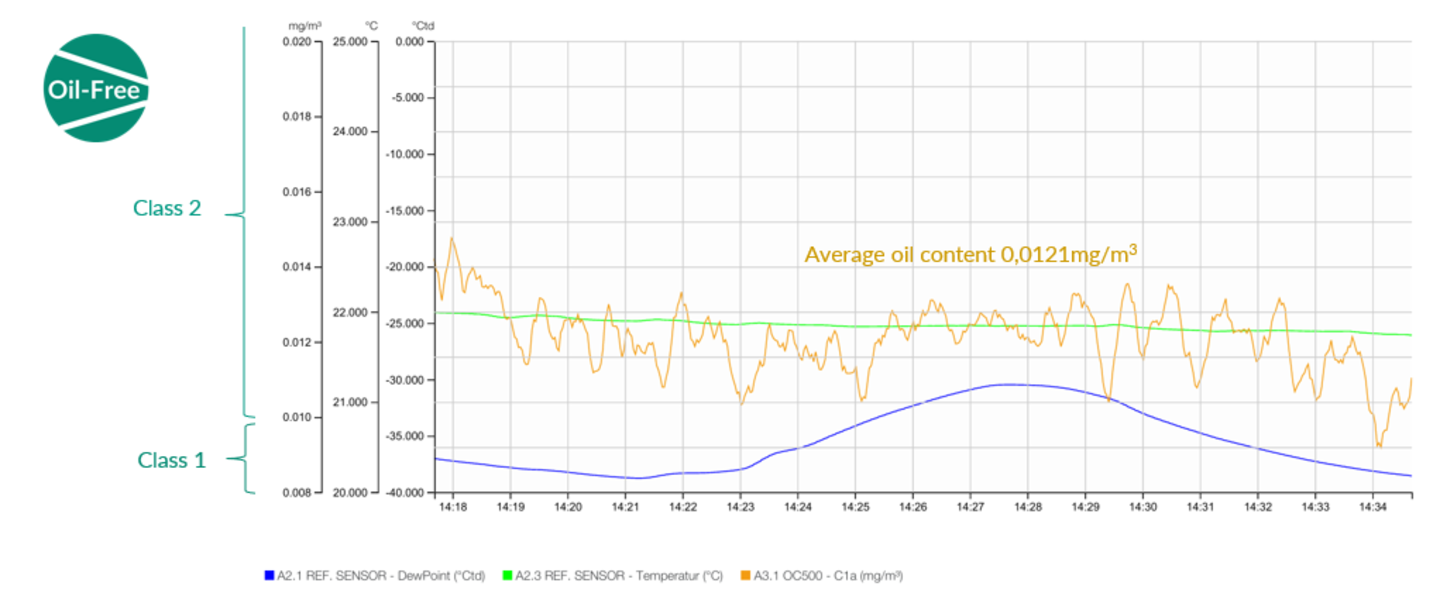
The most important factor for an accurate measurement is the proper calibration of the measurement system. The Class 1 limit specified in ISO 8573 is 0.01 mg/m³. This corresponds to a volume concentration of 2.5 ppb, which means 2.5 parts per billion. The OIL CHECK 500 is calibrated with 3 calibration points in Class 1—exactly where it matters most. Calibration at 7 additional points ensures that even high residual oil levels can be measured reliably.
The Forced Pressure Variation test uses targeted pressure changes in the measuring chamber to verify that the zero air used is truly free of the gases being measured. If the signal remains stable under varying pressures, a zero-point correction is reliably possible; if it increases, this indicates contamination of the zero air, and a zero-point adjustment is not permitted. This prevents creeping errors caused by contaminated zero air. This results in greater measurement reliability in the critical lower measuring range, fewer external calibrations, and consistently reliable measurement results.
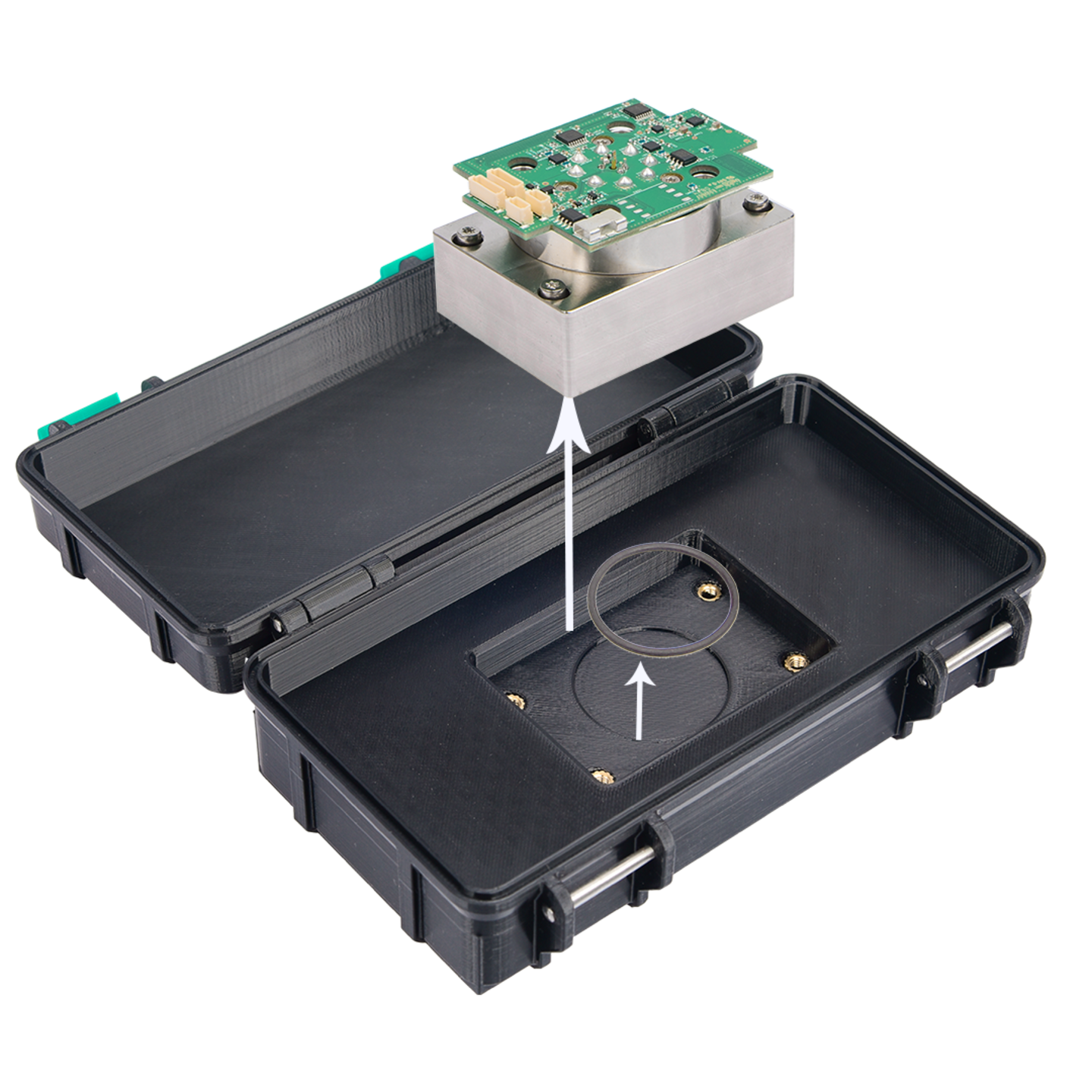
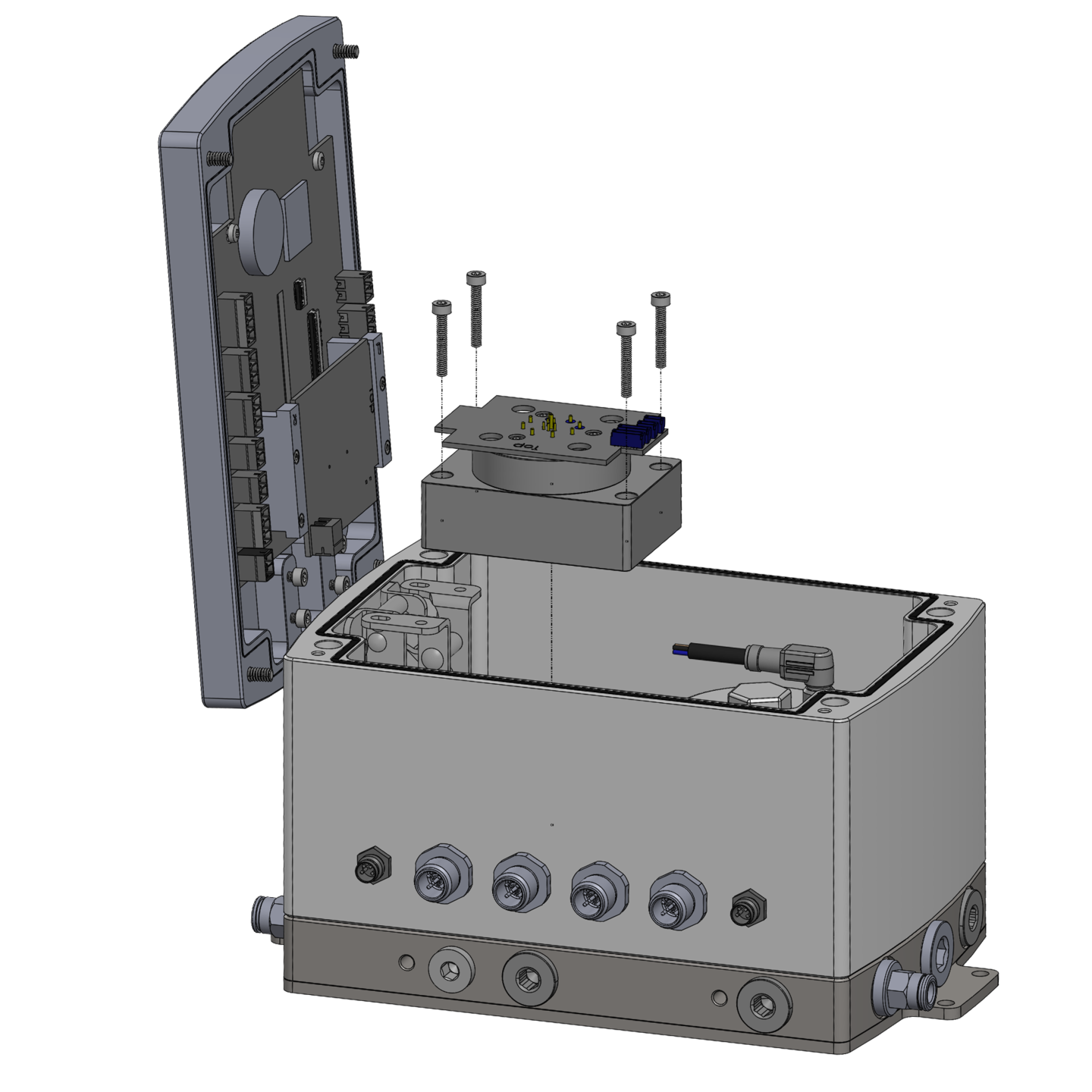
The sensor unit can be easily replaced on-site. This eliminates the need to return the entire instrument for recalibration.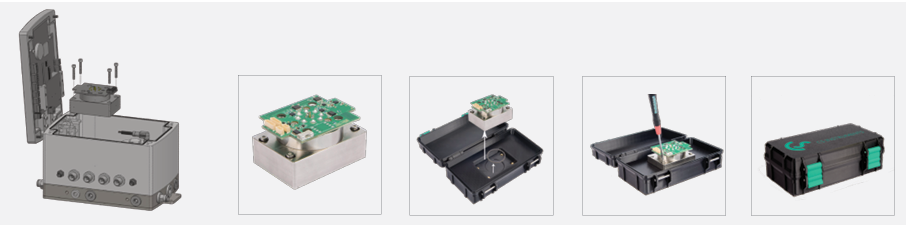
Cross-sensitivity to gases that are not target gases for oil vapor measurement can increase the measured value even when no relevant contamination is present in the measurement gas. The OIL CHECK 500 is specifically designed to have low cross-sensitivity to the two commonly present interfering gases, humidity and ethanol. This improves the reliability of the measured values.
ISO 8573 specifies a reference temperature of 20 °C for residual oil measurement. Since modern compressed air systems may be equipped with heat recovery, it is possible that the compressed air temperature during measurement in the compressor room is below 20 °C, but rises above 20 °C again further down the production line. This can result in less oil vapor being present in the compressor room at low temperatures than at the consumer. The optional integrated heating element ensures a measurement temperature > 20 °C. The measured value can thus be reliably converted back to the reference temperature of 20 °C.
The OIL CHECK 500 was cross-validated by the Fraunhofer Institute for Measuring Technology IPM, an external research laboratory, and demonstrated an excellent detection limit of 0.0015 mg/m³ at 6 Sigma. It thus delivers reliable measured values and high measurement resolution in the ISO 8573-1 Class 1 range.
Its wide measurement dynamic range—spanning more than three orders of magnitude—enables precise measurement across an exceptionally broad concentration range. As a result, the OIL CHECK 500 reliably covers ISO 8573-1 oil classes 0 through 4 and supports safe compressed air monitoring.
After the dryer, filters, and activated carbon, a measured value summarizes the total output and describes the air fed into the grid. Immediately downstream of the compressor or reservoir, humidity and aerosol content may exceed the specified measurement gas conditions (≤ 40% relative humidity, pressure dew point max. +10 °C, non-condensing, with upstream aerosol separation).
No, not during operation. The OIL CHECK 500 checks the zero point internally using forced pressure variation; there is no need for a separate zero-air generator with a filter or catalyst. Test gases are used only during factory calibration of the sensor unit.
Not alone. For classification according to ISO 8573-1, the laboratory determines all oil phases: aerosol and liquid oil according to ISO 8573-2, and oil vapor via gas chromatography according to ISO 8573-5. The OIL CHECK 500 continuously monitors the oil vapor content on an indicative basis in accordance with ISO 8573-5:2025, Annex B; its class indicator classifies this content. The measurement data support decisions regarding additional laboratory samples and—when connected to a data logging system—document the progression between them.
The warning threshold and action threshold are derived from the specifications of the draw-off point, the initial value after commissioning or cartridge replacement, the measurement uncertainty, the proportion of aerosol and liquid oil in the total oil volume, and the desired advance warning time; there is no standard value.
No. For particles (ISO 8573-4) and pressure dew point, the PC 400 particle counter and the FA 510/515 dew point sensors complement it; a DS 500 equipped with the appropriate features records all three measured variables and monitors the limit values.
Residual oil - particles - residual moisture. Compact trolley with wheels.

Residual oil - particles - residual moisture. For measuring at the consumers/end points.

The Portable version of our monitoring system is supplied directly in a practical case.